Topic Announcement:grasping Essential Lab Safety: Bunsen Burner Usage and Precautions for 2025
The Bunsen burner, a staple in any laboratory, is an essential tool for heating, sterilizing, and conducting various scientific processes. This article will delve into the key components of the Bunsen burner and provide safety tips and troubleshooting advice.
Components of a Bunsen Burner
The Bunsen burner, designed collaboratively with Peter Desaga, consists of several parts that work together to produce a hot flame:
- Base: The base provides stability, keeping the burner upright during use.
- Gas Inlet: This connects to the gas supply (usually methane or natural gas), allowing fuel to enter the burner.
- Barrel (or Chimney): A vertical metal tube where gas and air mix, and the flame is formed at the top.
- Air Hole (Air Regulator): Openings at the bottom of the barrel that allow air to enter and mix with the gas; adjusting these controls the flame type.
- Collar: A rotatable ring around the barrel that adjusts the size of the air hole, regulating air intake.
- Gas Control Valve or Tap: This controls the flow of gas entering the burner; used to increase or decrease flame size.
How a Bunsen Burner Works
Gas passes through the gas inlet into the barrel. Air enters through the air holes; mixing with gas inside the barrel produces a combustible mixture. Adjusting the collar changes the air-to-gas ratio: more air produces a hotter, blue non-luminous flame (roaring flame), less air produces a cooler, yellow luminous flame. The flame emerges from the top of the barrel and is used for heating substances.
Safety Tips
- Always ensure the burner is on a stable, heat-resistant surface (e.g., heat-resistant mat).
- Check for gas leaks before lighting by smelling or using a soapy water test around connections.
- Light the match or spark lighter before turning on the gas to avoid gas buildup.
- Keep the air hole partly open to avoid a yellow, sooty flame that deposits carbon.
- Never leave the lit burner unattended.
- Turn off the gas supply immediately after use.
- Use safety glasses and heat-resistant gloves as needed.
- Keep flammable materials away from the flame.
Troubleshooting
- Flame won't light: Check gas supply is on, connections are secure, and try lighting with the lighter already ignited.
- Yellow, sooty flame: Air hole is closed or partially blocked; open the collar to increase air intake.
- Flame goes out unexpectedly: Gas supply could be low, air hole too wide causing backdraft; adjust gas valve and air hole.
- Gas smell without flame: Turn off gas and check for leaks before trying again.
Importance of the Bunsen Burner
The Bunsen burner, invented by Robert Bunsen in 1855, is used for heating chemicals and solutions evenly, sterilizing laboratory instruments, and facilitating combustion experiments and flame tests for element identification. Proper understanding of the Bunsen burner's parts and usage ensures effective and safe experiments.
Common Flame Types
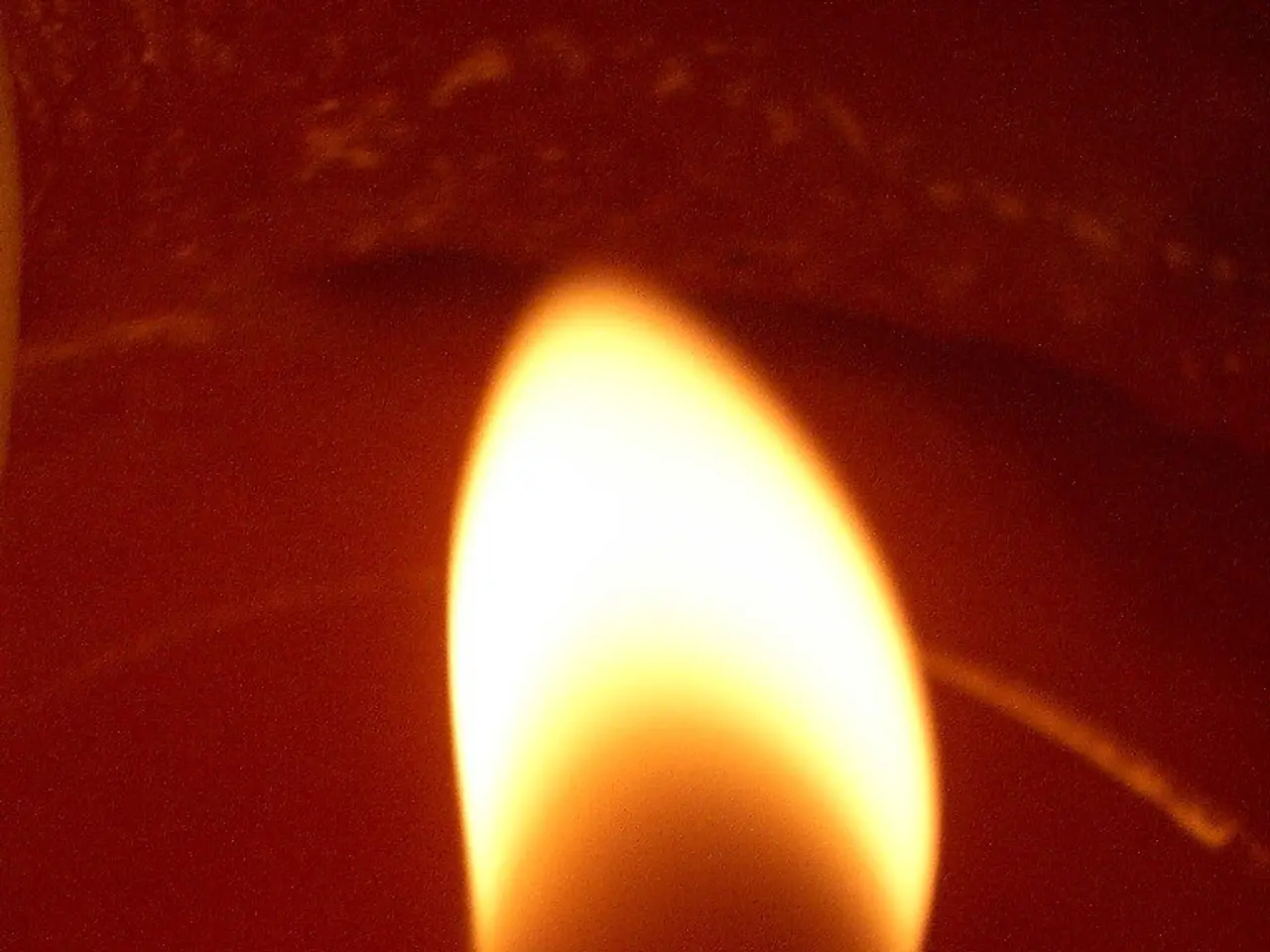
- Yellow flame, also known as the "safety flame", is cooler and less intense. It is ideal for situations when the burner is not in active use.
- Blue flame, also known as the "heating flame", is hotter and ideal for chemical heating or sterilization.
Maintenance
Regularly cleaning the barrel, inspecting the air vent, and checking the gas inlet can prevent blockages and maintain smooth operation.
In conclusion, the Bunsen burner is an indispensable tool in any laboratory setting. Understanding its components, operation, and safety measures is crucial for effective and safe experimentation.
- The Bunsen burner, a critical piece of equipment in both science and medical-conditions laboratories, is not only used for heating and sterilizing but also for the identification of elements through flame tests.
- In the realm of space-and-astronomy and technology, advancements and modifications in the design of Bunsen burners could potentially lead to space-worthy heating devices or more efficient combustion systems that mimic the properties of a Bunsen burner's non-luminous blue flame.