Enhance Your Audio Recording: Strategies for Operating an Audio Interface Effectively
In the realm of music production, having a high-quality audio interface is essential to capture and manipulate sound with precision. Here are some key aspects to consider when selecting the perfect audio interface for your needs.
Inputs and Outputs
Assessing your requirements for inputs and outputs is crucial, especially for musicians or producers. Determine how many microphones, instruments, and line-level devices you'll record simultaneously. For instance, the Native Instruments Komplete Audio 6 offers a good balance with enough inputs for most setups, while the PreSonus Studio 192 provides extensive I/O options (26 inputs and 32 outputs) suited for larger or more complex studios.
Audio Quality and Low Latency Performance
Aim for interfaces with clean, low-noise preamps and high-quality converters. The Audient iD24 is noted for its very low noise floor and reference-grade preamps, producing clean and dynamic sound. The Solid State Logic SSL 18 also offers top-tier audio performance with features inspired by professional mixing consoles.
Additional Features
Consider software integration, onboard DSP, ease of routing, and included DAW software. The SSL 18 includes talkback, hardware inserts, and a console-style software, enhancing workflow in a studio environment. PreSonus Studio 192 has a comprehensive control center for flexible routing and mixing.
Portability and Build Quality
If you need a mobile setup, compact and durable units like the Komplete Audio 6 or Audient iD24 are advantageous.
Budget and Value
High-end interfaces like SSL 18 or PreSonus 192 offer many features but come at a premium price. More affordable but still high-quality options include the Audient iD24 or Native Instruments Komplete Audio 6.
Sound Character
Some users value interfaces that impart a particular sonic character. However, a comparison shootout suggested most modern high-end interfaces sound very similar in neutrality and accuracy, so prioritize functionality and workflow over slight tonal differences.
Dealing with Connection Problems
Dealing with connection problems involves using high-quality USB or Thunderbolt cables, checking that cables are firmly connected, and ensuring drivers and firmware are up to date.
Solving Audio Dropouts and Interruptions
Solving audio dropouts and interruptions can be addressed by adjusting the buffer size in a digital audio workstation, regularly checking system performance, and investing in a computer with a capable processor and ample RAM.
Preamps and Headphone Output
Preamps play a vital role in preparing a signal for mixing by amplifying low-level microphone signals to line level. Headphone output for monitoring becomes indispensable when loudspeakers are not an option or for checking finer details.
Direct Monitoring
Understanding direct monitoring can help tailor the audio experience to suit specific recording setups. Direct monitoring is a key feature for reducing latency during recording, allowing audio signals to be monitored in real time without passing through a DAW.
External Preamp and Headphones
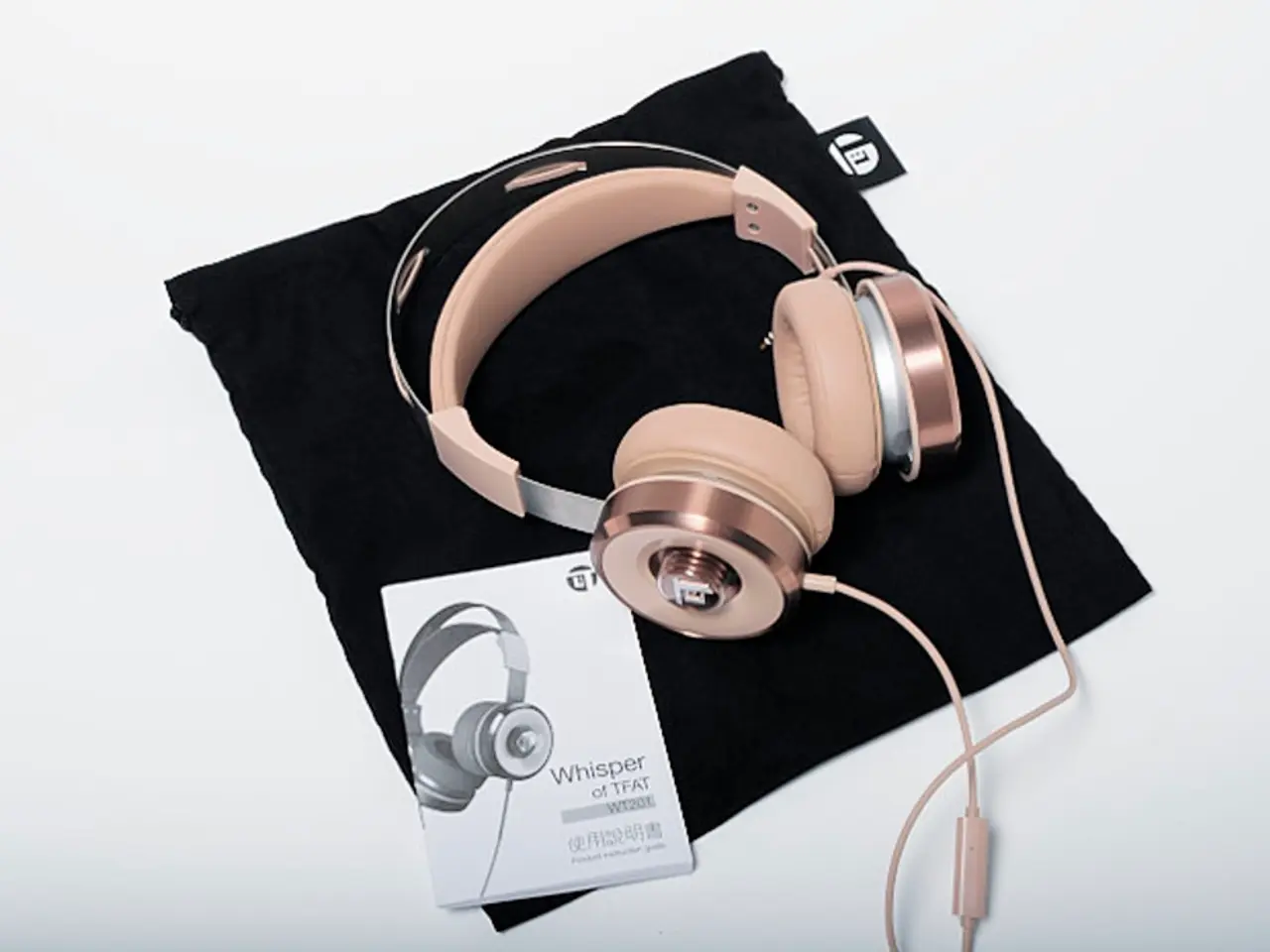
For richer, more nuanced sound, consider investing in a dedicated external preamp for greater control over gain and tonal characteristics. Opt for studio-quality headphones with a flat frequency response for the most accurate monitoring.
Compatibility
When selecting an audio interface, focus on compatibility with devices, number of inputs and outputs required, and balancing budget and quality. Considering compatibility involves checking the connection types of your computer and ensuring the interface supports them.
Balancing Cost and Quality
Balancing cost and quality is essential, as investing in a reliable, high-quality interface can save money in the long run by reducing the need for frequent upgrades. Utilizing multiple audio sources can greatly improve the versatility of projects by connecting each source directly to the interface using appropriate cables.
In summary, choose an audio interface that matches your input/output needs, offers excellent sound quality with low latency, fits your workflow with useful features, and aligns with your budget. Popular choices in 2025 include the Native Instruments Komplete Audio 6 for balanced ease of use, the Audient iD24 for pristine preamps, and the Solid State Logic SSL 18 for studio-grade performance.
- To capture and manipulate sound in music production, having a high-quality audio interface is essential.
- Determine how many microphones, instruments, and line-level devices will be recorded simultaneously while selecting an audio interface.
- Look for interfaces with clean, low-noise preamps and high-quality converters for clear and dynamic sound.
- Additional features like software integration, onboard DSP, and ease of routing can enhance workflow in a studio environment.
- Portable and durable units like the Native Instruments Komplete Audio 6 or Audient iD24 are advantageous for mobile setups.
- High-end interfaces like the SSL 18 or PreSonus 192 offer many features but come at a premium price; more affordable but still high-quality options are available such as the Audient iD24 or Native Instruments Komplete Audio 6.
- To minimize connection problems, use high-quality USB or Thunderbolt cables, ensure cables are firmly connected, update drivers and firmware, and invest in a capable computer with ample RAM and processor.