Capturing Stunning Shots High Above the Sky: A Focus on Aerial Photography in Aviation
In the world of aviation photography, a team of skilled photographers based in Germany, JK Photography, are making waves with their captivating images of commercial and military aircraft. Across the Atlantic, renowned figures like James A. Raisbeck, Mike Fizer, Nigel Howarth, Paul Bowen, and Andrew Thomas in the United States and the United Kingdom are also making a name for themselves, specializing in military aircraft and showcasing their work in aviation magazines and books.
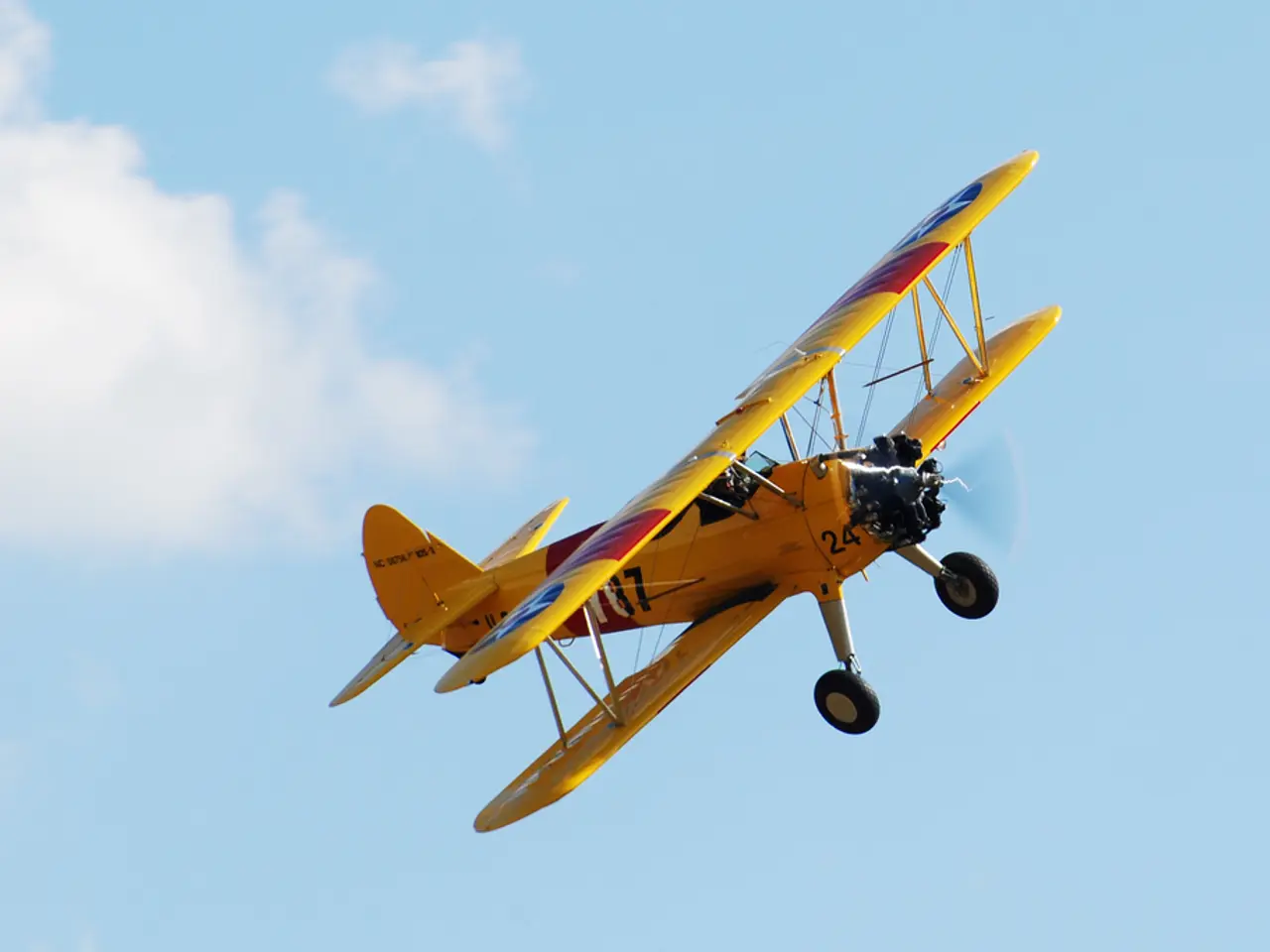
Aviation photography is a challenging yet rewarding form of photography that captures the beauty and power of aircraft in motion. It requires an eye for detail, a passion for the subject, and a mastery of technique to capture the perfect shot.
One of the best times for aviation photography is during the golden hours, the first and last hours of daylight, when the sun casts a warm, soft light that highlights aircraft details and creates visually appealing images with natural backdrops. To make the most of this opportunity, photographers must utilise the right equipment and techniques.
A high-quality DSLR camera with a fast shutter speed and high resolution, a long lens with a wide aperture, a tripod, and a remote shutter release are essential for aviation photography. The choice of aperture depends on the desired depth of field, with wide apertures creating a shallow depth of field to isolate the aircraft from the background, and narrow apertures keeping the entire scene sharp.
Shutter speed should be set appropriately to freeze the aircraft's motion and avoid blur. During golden hour, light levels are lower, so balancing a fast shutter speed for sharpness yet allowing enough light is critical. Long telephoto lenses like the Sigma 150-600mm are ideal for getting close-ups and detailed shots of aircraft in flight while maintaining a safe distance.
Composition and background are also crucial factors to consider. Golden hour light casts long shadows and warm tones, so positioning oneself so that the sun illuminates the plane from the side or front can enhance texture and form without harsh shadows. Tripods or monopods can help stabilise the camera, especially when shooting with narrow apertures and slower shutter speeds.
Planning the shoot timing is also essential, as golden hour lasts roughly an hour after sunrise and before sunset. Arriving early allows photographers to scout ideal locations and lighting angles.
By understanding the importance of light, angle, and equipment, as well as having a good understanding of aircraft and their movements, one can capture stunning and awe-inspiring photographs. The sun's position during golden hours can create interesting shadows and reflections on the aircraft's surfaces, adding depth and mood to the images.
These photographs will be treasured for years to come, providing a glimpse of the world of aviation through their stunning images. The work of these photographers is appreciated worldwide, and their contributions to the aviation photography industry are invaluable.
Technology plays a significant role in aviation photography, with high-quality DSLR cameras, long lenses, and other equipment essential for capturing captivating images of aircraft in motion. Utilizing the correct techniques, such as appropriate shutter speed, aperture, and composition, can help photographers make the most of the golden hours and create visually appealing images with natural backdrops.